 HibbittsDesign
About Paul
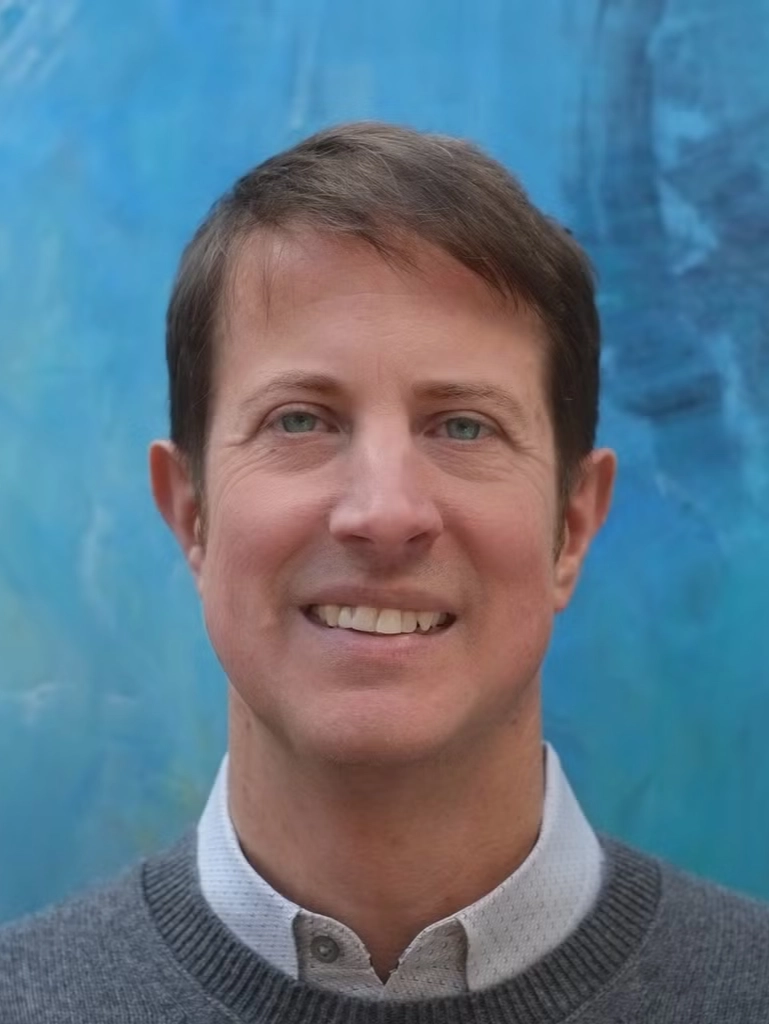
Paul Hibbitts designs, builds, and supports open-source software, drawing on over 25 years of experience in software interaction design, UX consulting spanning more than 140 successful projects, and teaching and course development in higher education. His current focus is on tools that turn Markdown into modern, self-managed websites for educators and digital publishers.
Teaching and Interaction Design Informed Tools
Before focusing on open-source publishing tools, Paul spent over two and a half decades teaching user interface design at Simon Fraser University, with recurring instructor roles at UBC and shorter stints at Emily Carr University of Art + Design stretching back to 1994 – more than 2,500 students combined, with consistently high course evaluations in both online and classroom settings. At SFU, that included redesigning the CMPT-363 User Interface Design course for online delivery. In keeping with an early embrace of open education and OER, the Canvas LMS course remains public, alongside earlier course hubs built with Docsify and Grav CMS.
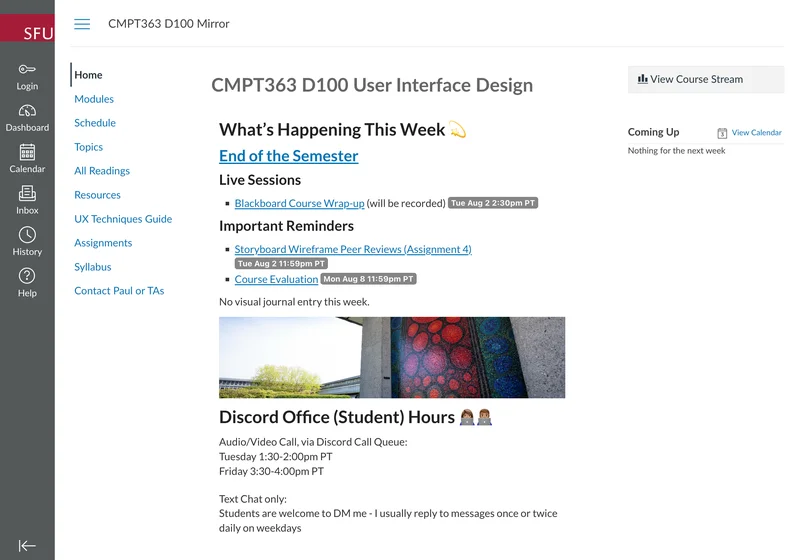
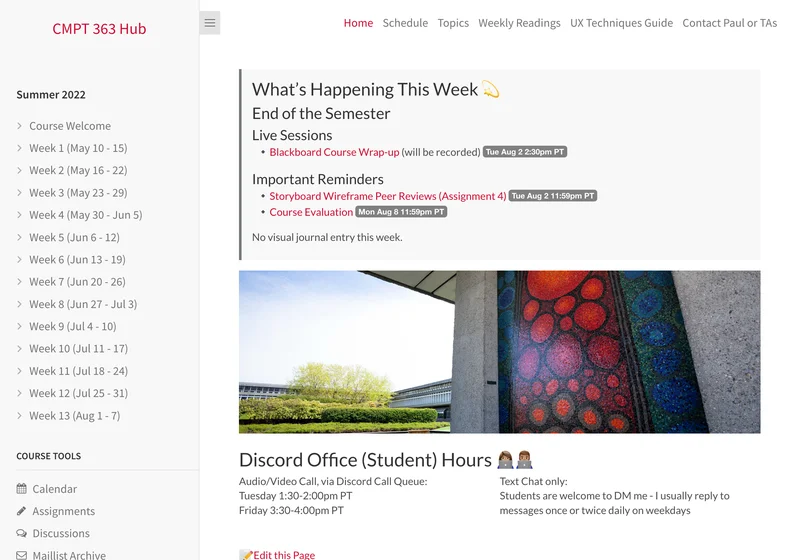
The course eventually wrapped for good as an online offering – a snippet of New Order's “Be a Rebel” lyrics closed out that final email message to students, in August 2022.
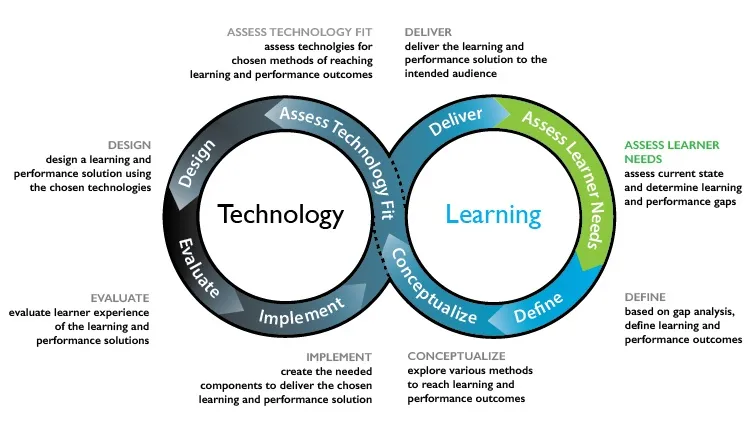
During that same teaching work, the Learning + Technology Development Process Model (Hibbitts & Travin, 2015) also originated, cited in Tony Bates' open textbook Teaching in a Digital Age.
Those same two and a half decades ran alongside Hibbitts Design, Paul's UX consultancy, whose 140+ projects included work with organizations like SAP BusinessObjects, Hewlett Packard (Agilent), the Canadian Real Estate Association, and Vancity.
Paul's natural inclination to share continued through 1-on-1 conversation with students and early-career developers – see Thinking Like a Consultant to Level Up Your Tech Career for the UX-consulting mindset behind that mentoring. Having benefited from informational interviews early in his own career, Paul is happy to do the same over coffee in Vancouver, if useful.
What People Are Saying
Educators, publishers, and open-source users have shared their experience with these tools – read the full testimonials.
Open Source Philosophy
If Paul had to point to one design approach behind these projects, it would be a systems-oriented one – paying attention to how elements connect, rather than optimizing each one in isolation. Read Systems-Oriented Design in Practice for what that looked like building the Grav Helios Course Hub and Docsify‑This, or go deeper into the nine principles behind that project in The Architecture Beneath the User Experience.
A few more pieces look at specific parts of that same approach: loving open-source projects the way you love a favourite song or book, in Building Open Source Projects with a Positive Vibe; writing documentation that works as both a development compass and a user guide, in A Dual-Purpose Framework for Better Open Source Documentation; and testing whether your own product communication holds up, in A Quick Acid Test for Your Product Design Knowledge.
For teams that need more direct support with these tools, Paul offers a few professional services alongside this open-source work.
Design Origins
Before Markdown and even the Web, there was HyperCard – learn more about the journey that led here, and a small collection of screenshots from Paul's first few years (1990–1994) of Macintosh interactive media development.
Get in Touch
Questions, or curious how these tools might fit your work? Feel free to get in touch.